Portfolio Management for Teams: How to Manage Multiple Projects
Running one project is hard enough. Managing five, ten, or twenty at the same time? That’s where most teams lose control.
Deadlines compete. Priorities clash. Resources stretch thin. And leaders struggle to answer a simple question:
What should we focus on right now?
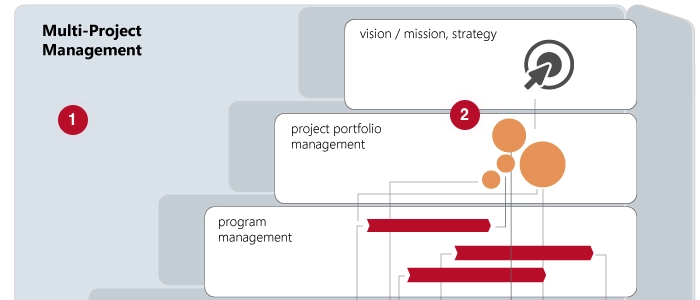
This is exactly why high-performing organizations rely on a portfolio management board — a visual system designed to manage multiple projects as one coherent whole.
Why Managing Multiple Projects Fails Without a Portfolio View
Most teams manage projects in isolation.
Each project has its own plan, backlog, and meetings — but no shared view of:
- Overall capacity
- Strategic priorities
- Cross-project dependencies
- Competing demand for the same people
The result is predictable:
- Too many projects started
- Too few projects finished
- Constant context switching
Portfolio management exists to solve this exact problem.
What Is Portfolio Management for Teams?
Portfolio management is the practice of overseeing multiple projects as a system — not as independent efforts.
Instead of asking, “Is this project on track?” portfolio thinking asks:
- Which projects deserve attention right now?
- Which initiatives should wait?
- Where are we overloaded?
A portfolio management board makes those answers visible.
How a Portfolio Management Board Changes Decision-Making
A portfolio board displays all active initiatives in one place.
When teams visualize the full portfolio, leaders can:
- Limit work-in-progress across projects
- Sequence initiatives intentionally
- Stop low-value work before it drains capacity
This shift alone often cuts lead times dramatically — without adding headcount.
Aligning Portfolio Management with Continuous Improvement
Strong portfolio management is closely connected to continuous improvement thinking.
Rather than pushing more work into the system, teams focus on:
- Improving flow
- Removing systemic obstacles
- Strengthening standard ways of working
If your organization practices Lean or Kaizen, these resources provide essential foundations:
What Is Kaizen? A Beginner’s Guide to Continuous Improvement
How to Run a Kaizen Event (Step-by-Step Playbook)
Leadership Visibility Matters More at the Portfolio Level
Portfolio management is a leadership responsibility.
Without visibility, leaders unintentionally overload teams and delay outcomes.
Visual leadership practices — such as regular observation and review — help prevent this.
These articles expand on how leaders stay connected to reality:
Gemba Walk Checklist: What Leaders Must Look For
Standard Work: How to Create Reliable Processes
Strategic Alignment Through Portfolio Thinking
Portfolio boards are not just operational tools — they are strategic alignment tools.
They help organizations:
- Translate strategy into executable work
- Balance improvement work with delivery work
- Ensure effort matches intent
This is why portfolio management plays a central role in Lean transformations:
The Complete Guide to Lean Transformation
Portfolio Boards and Obeya Thinking
Many organizations combine portfolio boards with Obeya-style alignment spaces.
An Obeya room brings strategy, execution, and problem-solving into one visual environment.
If you want to deepen strategic alignment across teams, explore:
Project Obeya Rooms: How High-Performing Teams Align
What Is Obeya? (Room of Strategy Explained)
Making Portfolio Management Visual
Portfolio management fails when it lives in spreadsheets.
It succeeds when it becomes visible, shared, and regularly reviewed.
Visual portfolio boards help teams see:
- Which projects are active
- Which are blocked
- Which should pause or stop
For real-world examples and layouts:
Visual Management Boards: Examples & Templates
Final Thoughts
Managing multiple projects is not about working harder.
It’s about choosing better.
A portfolio management board gives teams the clarity to focus on what truly matters, finish what they start, and align daily work with long-term goals.
If your organization feels busy but not productive, the problem isn’t effort — it’s visibility.