Visual Project Management: Why Seeing Work Beats Tracking Work
Most teams believe they are managing work effectively — until deadlines slip, priorities clash, and progress becomes unclear.
The problem usually isn’t effort or intent. It’s visibility.
Visual project management transforms how teams understand work by making tasks, flow, and constraints visible in real time — not buried inside tools, reports, or dashboards.
Tracking Work vs Seeing Work
Traditional project management focuses on tracking:
- Status updates
- Percent complete
- Due dates
- Reports and dashboards
While tracking records activity, it often hides reality.
Visual project management does the opposite. It answers critical questions instantly:
- Where is work getting stuck?
- Who is overloaded?
- What should we focus on next?
When work is visible, problems surface early — before they become failures.
What Is Visual Project Management?
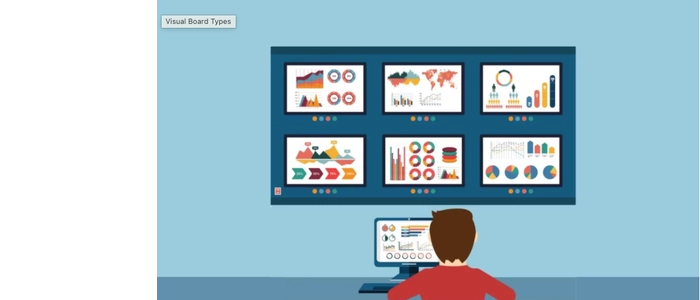
Visual project management is the practice of representing work, flow, and priorities using visual signals instead of abstract reports.
Common visual systems include:
- Kanban boards
- Portfolio boards
- Workflow maps
- Status indicators and visual KPIs
These systems turn invisible knowledge work into something teams can see, discuss, and improve together.
Why Visual Systems Drive Better Decisions
Humans process visual information faster than text or numbers.
When teams see work:
- Decision-making speeds up
- Alignment improves naturally
- Assumptions are challenged by facts
This is why visual systems outperform spreadsheets, lists, and digital-only trackers.
For a deeper dive into the cognitive impact of visibility, explore:
Work Visualization: Why Seeing Work Improves Results
Visibility Exposes Bottlenecks Automatically
In non-visual systems, bottlenecks hide behind status updates and delayed reporting.
In visual systems, bottlenecks are obvious:
- Columns pile up
- Cards stop moving
- Work-in-progress grows
No analysis required — the system tells the story.
Visual Project Management at the Portfolio Level
Visibility becomes even more powerful when managing multiple projects.
Portfolio-level visual boards help leaders:
- Balance demand vs capacity
- Spot competing priorities
- Sequence work intentionally
If you manage more than one initiative, these resources are essential:
What Is a Project Portfolio Board? (Beginner Guide)
How to Build a Portfolio Kanban System
From Push to Pull: Why Visual Flow Matters
Visual systems naturally support pull-based work.
Instead of pushing tasks based on plans, teams pull work based on capacity and readiness.
This reduces overload, multitasking, and burnout — while improving flow.
To understand this shift in depth:
How to Create a Pull-Based Project Management System
Why Visual Management Outperforms Digital Tools
Digital tools track work. Visual systems change behavior.
When work is visible:
- Conversations replace reports
- Problems are solved collaboratively
- Accountability becomes shared
That’s why many high-performing teams combine digital systems with physical visual boards.
Explore real-world comparisons here:
Why Visual Management Outperforms Digital Tools
Visual Management Boards: Examples & Templates
Final Thoughts
Tracking work tells you what happened.
Seeing work tells you what to do next.
Visual project management isn’t about aesthetics — it’s about clarity, flow, and better decisions.
If you want faster alignment, earlier problem detection, and calmer execution, stop tracking work in isolation — and start making it visible.