
What Is Lead Time vs Lag Time? (Easy Explanation)
Teams measure time constantly.
Deadlines, delivery dates, and cycle times all shape how work is planned and evaluated.
But two commonly confused metrics quietly influence performance more than most teams realize: lead time and lag time.
Understanding the difference changes how teams predict outcomes and improve flow.
What Is Lead Time?
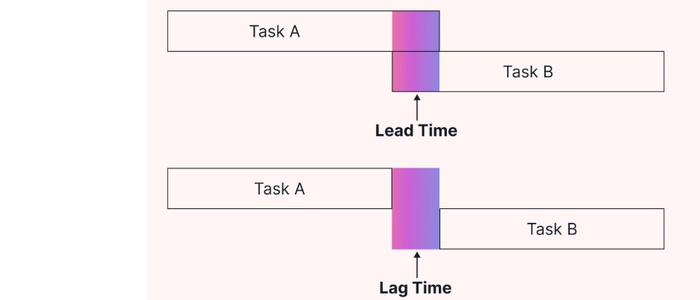
Lead time measures how long it takes for a request to be delivered from start to finish.
It begins when work is requested and ends when the work is completed.
From a customer perspective, lead time answers one simple question:
“How long will I wait?”
What Is Lag Time?
Lag time measures the delay between steps in a process.
It focuses on waiting — not working.
Lag time shows how long work sits idle before the next activity begins.
Lead Time vs Lag Time: The Key Difference
Although they sound similar, these metrics reveal different problems:
- Lead time shows overall delivery speed
- Lag time exposes inefficiencies between steps
A team can meet lead-time expectations while still suffering from excessive lag hidden inside the process.
Why Lag Time Often Goes Unnoticed
Lag time is invisible in most teams.
Work appears to be “in progress,” but nothing is actually moving.
Queues grow, handoffs slow down, and no one owns the waiting.
This is why teams struggle to improve even when they track delivery dates.
How Lead Time and Lag Time Affect Flow
Flow depends on reducing delays.
When lag time increases, flow collapses — even if people are working hard.
Reducing lag often delivers faster results than adding people or working longer hours.
This relationship becomes clear when teams quantify waiting versus working time: Flow Efficiency Formula (Explained So Anyone Can Use It) .
Why Measuring Only Lead Time Isn’t Enough
Lead time tells you what happened.
Lag time helps explain why it happened.
Without lag time, teams know delivery is slow — but not where to improve.
Using Lead and Lag Time Together
High-performing teams use both metrics:
- Lead time to set expectations
- Lag time to remove bottlenecks
This combination improves predictability without increasing pressure on people.
Reducing Lead Time in Knowledge Work
Most lead-time reduction comes from removing waiting — not speeding people up.
This practical guide explains how teams shorten delivery without overload: How to Reduce Lead Time in Knowledge Work .
Understanding Lead Time vs Cycle Time
Lead time and cycle time are often confused.
Cycle time focuses on how long work is actively processed, while lead time includes all waiting.
This explainer clarifies the difference: What Is Cycle Time? (Beginner Lean Guide) .
Improvement Starts with Visibility
Teams can’t improve what they can’t see.
Lead time shows the outcome.
Lag time reveals the opportunity.
Seeing both is the first step toward faster, calmer, and more predictable work.