
How to Build a Portfolio Kanban System
Running multiple projects at the same time is where most organizations quietly lose speed, focus, and trust.
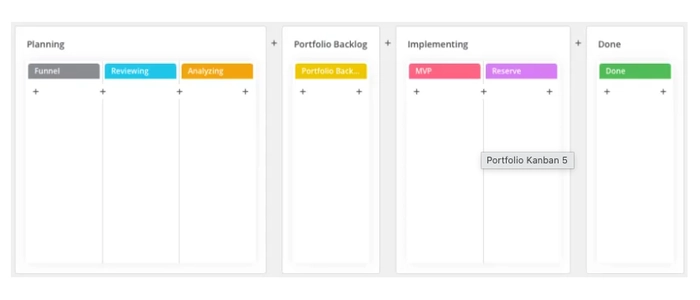
Running multiple projects at the same time is where most organizations quietly lose speed, focus, and trust.
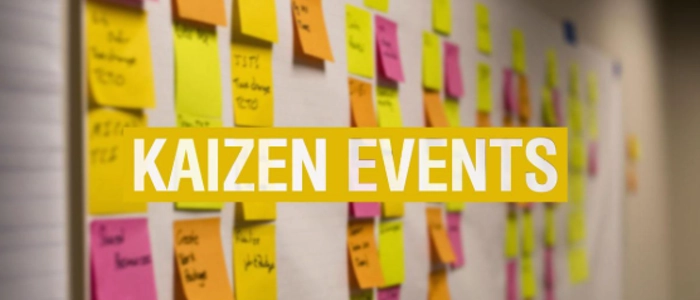
Teams love the idea of Kaizen, but many struggle with a practical question: should we run focused Kaizen events, or build a culture of daily Kaizen?
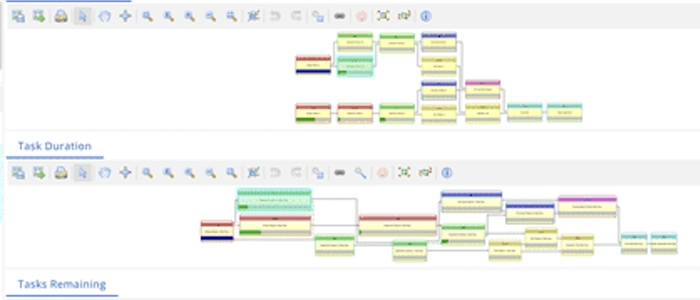
Dependencies are where “simple” projects go to die.
A feature can’t ship because another team hasn’t delivered an API. A launch slips because legal review is waiting on updated copy. A critical task is blocked—yet nobody notices until the deadline is two days away.
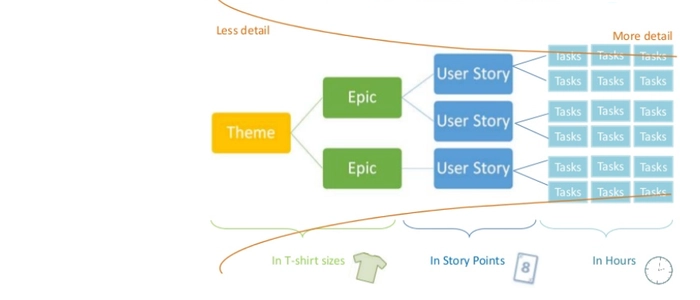
Agile estimation has a reputation for being… messy.
Some teams estimate in hours and argue for 45 minutes. Others use story points and still miss deadlines. And plenty of teams quietly skip estimation altogether—then wonder why planning feels chaotic.
The truth is: there isn’t one perfect estimation method. But there are techniques that work consistently—if you match them to the type of work you do and the level of uncertainty you face.
This guide breaks down the most practical Agile estimation techniques, what they’re best for, and how to pick a system that improves predictability without turning estimation into a time sink.
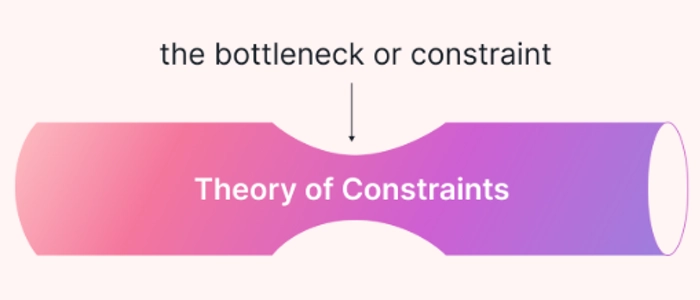
Ever feel like you’re working hard—but the results barely move?
That usually happens when your system has one limiting factor that controls the pace of everything else. In Lean and operations, that limiting factor is called a constraint—and learning to manage it is one of the fastest ways to improve flow.
This is the heart of the Theory of Constraints (TOC): instead of trying to optimize everything, you focus on improving the one thing that’s truly blocking progress.

Be the first to know about our biggest and best sales. We'll never send more than one email a month.