Latest Our Blog News

Read the last updates and news about our brand and line of products.

Value Stream Analysis: A Step-by-Step Beginner Guide

Value Stream Analysis: A Step-by-Step Beginner Guide

Value Stream Analysis: A Step-by-Step Beginner Guide

Value stream analysis is one of the fastest ways to understand why work feels slow, messy, or unpredictable—even when everyone is “busy.” It helps you see the end-to-end flow (from request to delivery), identify where time is truly spent, and target improvements that actually move the needle.

This beginner guide walks you through a simple, practical, step-by-step process you can use in manufacturing, service operations, or knowledge work.
Project Obeya Rooms: How High-Performing Teams Align

Project Obeya Rooms: How High-Performing Teams Align

Project Obeya Rooms: How High-Performing Teams Align

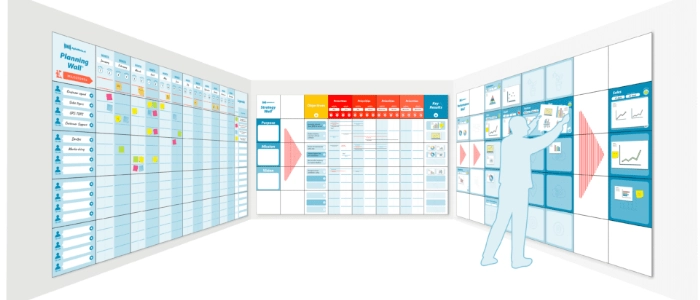
If you’ve ever managed a complex project, you know the pain: priorities shift, decisions stall, risks hide in spreadsheets, and alignment disappears across teams.

A Project Obeya Room (often called an obeya room) solves that by bringing the entire project system into one shared visual space—so teams can see reality, make decisions faster, and stay aligned week after week.

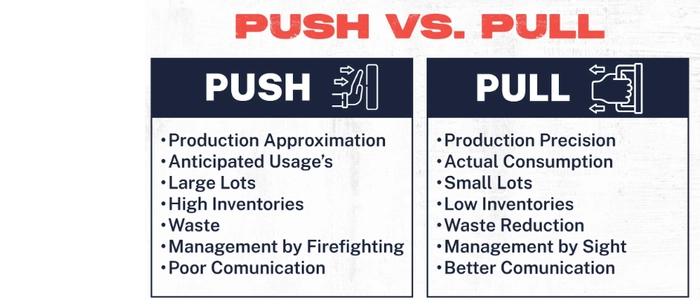
What Is a Pull System? (Beginner-Friendly)

What Is a Pull System? (Beginner-Friendly)

What Is a Pull System? (Beginner-Friendly)

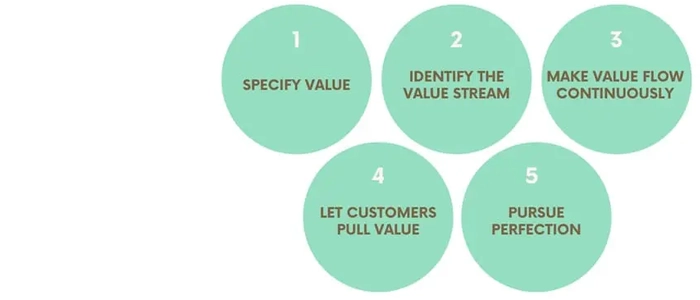
A pull system is one of those concepts that sounds technical—but it’s actually simple:

Work is pulled only when there’s capacity to do it.

How to Reduce Bottlenecks Using Visual Signals

How to Reduce Bottlenecks Using Visual Signals

How to Reduce Bottlenecks Using Visual Signals

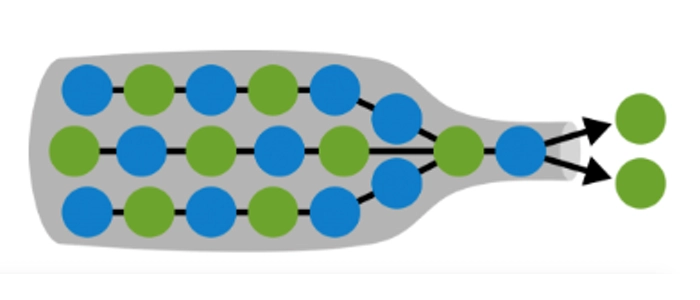
Bottlenecks don’t usually start as “big problems.” They start as small delays: work waiting for review, tickets piling up in one column, or one person becoming the default approver for everything.

The fastest way to reduce bottlenecks is not another meeting or a new tool—it's making constraints visible.

Little’s Law Explained: Why Flow Is Predictable

Little’s Law Explained: Why Flow Is Predictable

Little’s Law Explained: Why Flow Is Predictable

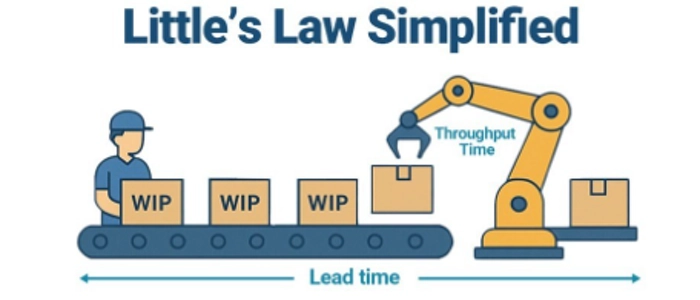
If your team constantly asks, “When will this be done?” you’re not alone. Forecasting in knowledge work feels messy—until you understand one simple relationship that makes flow surprisingly predictable: Little’s Law.

SBDC supported PMXBOARD

Information

Why choose us

SHOP

signup

Be the first to know about our biggest and best sales. We'll never send more than one email a month.