
Root Cause vs Symptom: How to Think Like an Improver
Most teams are busy fixing problems — and still frustrated.
That’s because they’re fixing symptoms, not causes.
If you want real improvement, you need to learn how to tell the difference.
What Is a Symptom?
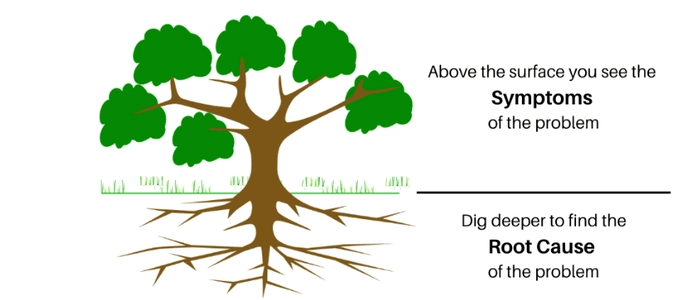
A symptom is what you see.
Examples include:
- Missed deadlines
- Quality defects
- Customer complaints
- Overtime and burnout
Symptoms are visible and urgent — but they are rarely the real problem.
What Is a Root Cause?
A root cause is the underlying condition that allows the symptom to exist.
Root causes are often hidden in:
- Process design
- Policies and incentives
- Information flow
- Decision-making delays
Fix the root cause, and the symptom disappears permanently.
Why Teams Default to Fixing Symptoms
Symptoms feel actionable.
They demand fast responses and create the illusion of progress.
Root causes, on the other hand, require investigation, patience, and sometimes uncomfortable change.
A Simple Example
If a team keeps missing deadlines, the symptom fix is overtime.
The root cause might be:
- Too much work in progress
- Unclear priorities
- Frequent task switching
Overtime treats the pain. Process change removes the disease.
How Improvers Think Differently
Improvers ask different questions:
- Why does this keep happening?
- What condition makes this possible?
- Where does the process break down?
This mindset shifts focus from blame to systems.
Root Cause Analysis in Practice
Root cause analysis helps teams move beyond surface-level fixes.
Two foundational tools for this kind of thinking are:
Root Causes Often Hide in Flow
Many recurring problems come from overloaded systems.
These articles explain how flow issues create symptoms:
- What Are WIP Limits? (And Why Most Teams Ignore Them)
- How to Reduce Work in Progress (WIP): Practical Techniques
- How to Measure Work-in-Progress (WIP) the Right Way
When WIP is too high, symptoms multiply.
Connecting Root Cause Thinking to Metrics
Flow metrics help confirm whether you’re fixing causes or just reacting to symptoms.
This guide explains how to quantify improvement:
Structured Improvement Loops
Root cause thinking is most effective when paired with a learning cycle.
These methods provide structure:
Final Thought
Symptoms shout. Root causes whisper.
Teams that learn to listen carefully stop fighting fires and start building better systems.
That’s the difference between staying busy and actually improving.